Relationships are key: Engaging with Family Day Care
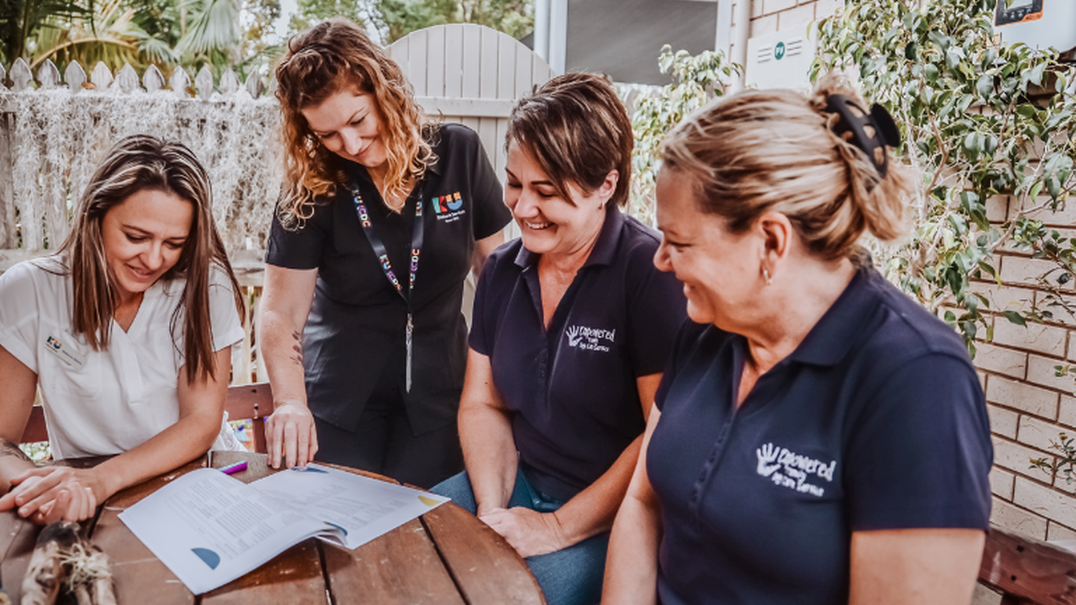
Read how Empowered Family Day Care worked collaboratively with Inclusion Support QLD to engage in critical reflection to support the inclusion of all children.
The Specialist Equipment Library has a new email address.
Please refer all Specialist Equipment Library correspondence to the new email address: specialistequipment@ku.com.au

Inclusion is a right not a nice or charitable thing to do for children.
The Australian Children’s Education and Care Quality Authority (ACECQA) has recently released a suite of resources to help services understand their obligations under the Disability Discrimination Act 1992 (DDA).
If a child’s enrolment is not accepted because of their disability, or they are prevented from attending the service or participating in the educational program because of their disability, then this is discrimination. Services are required to make reasonable adjustments to address barriers to access and participation so all children can access and fully participate in the service. This could include using visual supports, implementing strategies to support sensory needs, making adjustments to the routine and accessing additional support or resources such as those provided through our program.
The new ACECQA resources to understand your obligations under the DDA. include fact sheets, posters, and information sheets.
If you would like support to reflect and plan for reasonable adjustments for children in your service, you can contact your Inclusion Professional.
Read how Empowered Family Day Care worked collaboratively with Inclusion Support QLD to engage in critical reflection to support the inclusion of all children.
Read how Goodstart Little Mountain Mark Road West worked collaboratively with families, allied health professionals and Inclusion Support QLD to overcome barriers to inclusion and create a learning environment where all children can thrive.
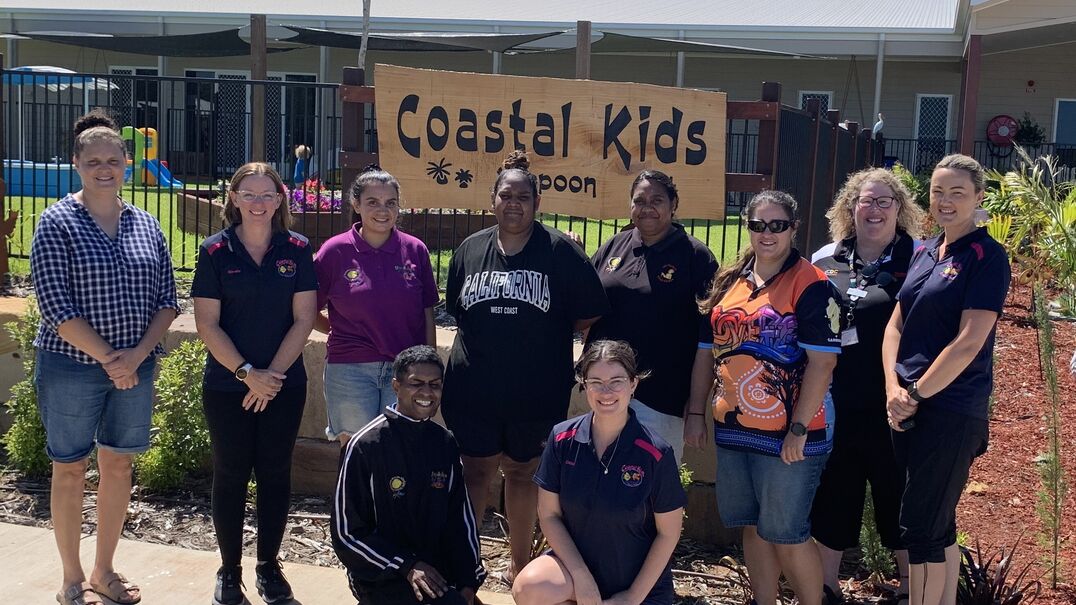
Read how Undoonoo Childcare Centre worked with their Inclusion Professionals to arrange a bus tour to visit visiting four Early Childhood Education and Care (ECEC) services in the Yeppoon region to build educators capacity and capability.