Relationships are key: Engaging with Family Day Care
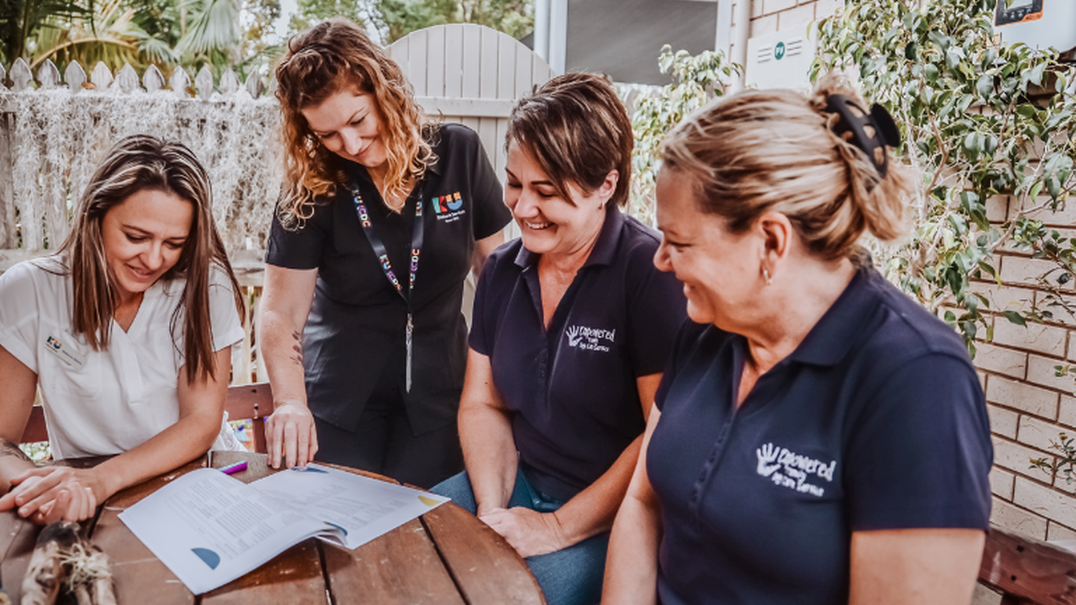
Read how Empowered Family Day Care worked collaboratively with Inclusion Support QLD to engage in critical reflection to support the inclusion of all children.
The Specialist Equipment Library has a new email address.
Please refer all Specialist Equipment Library correspondence to the new email address: specialistequipment@ku.com.au
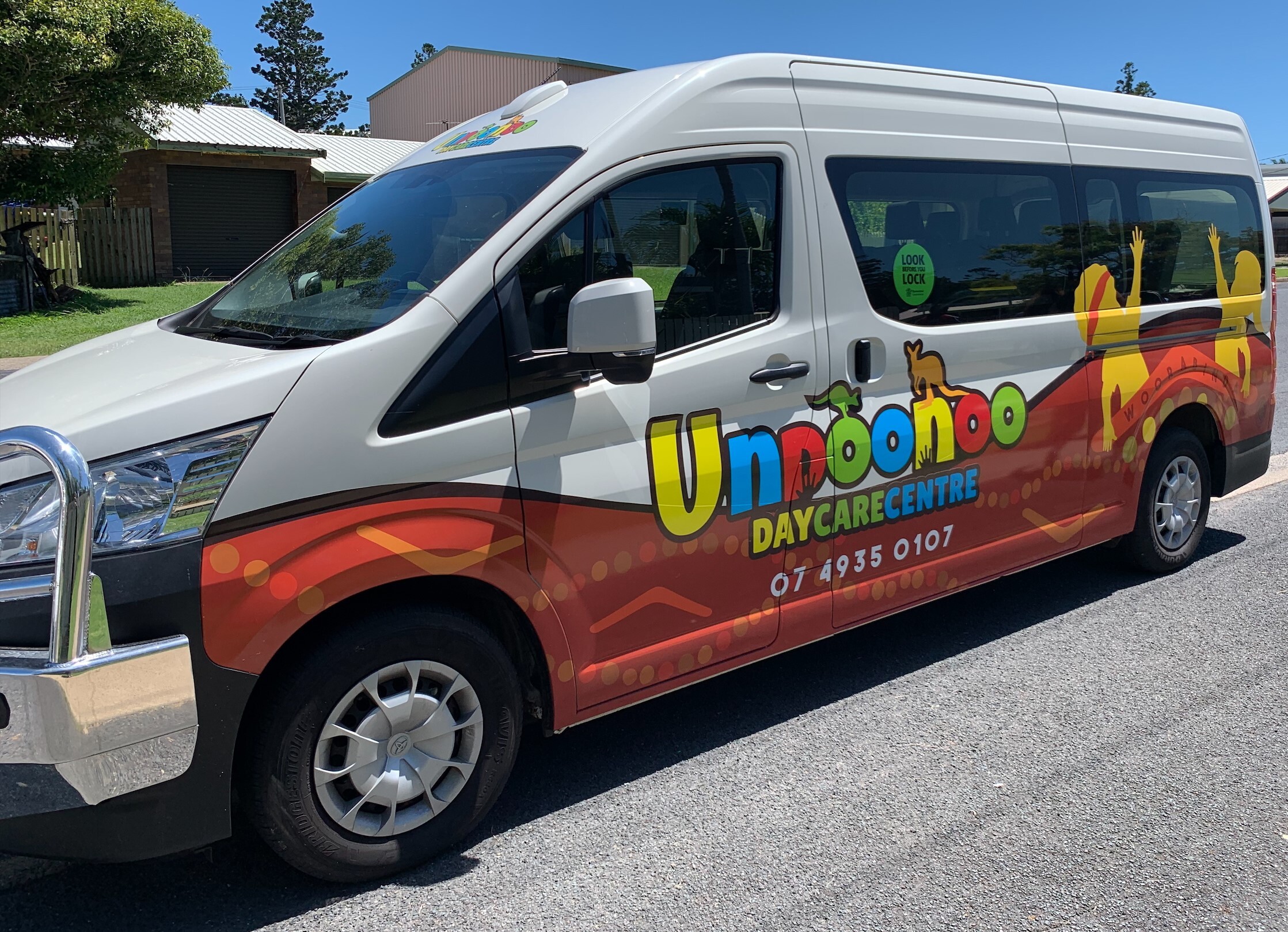
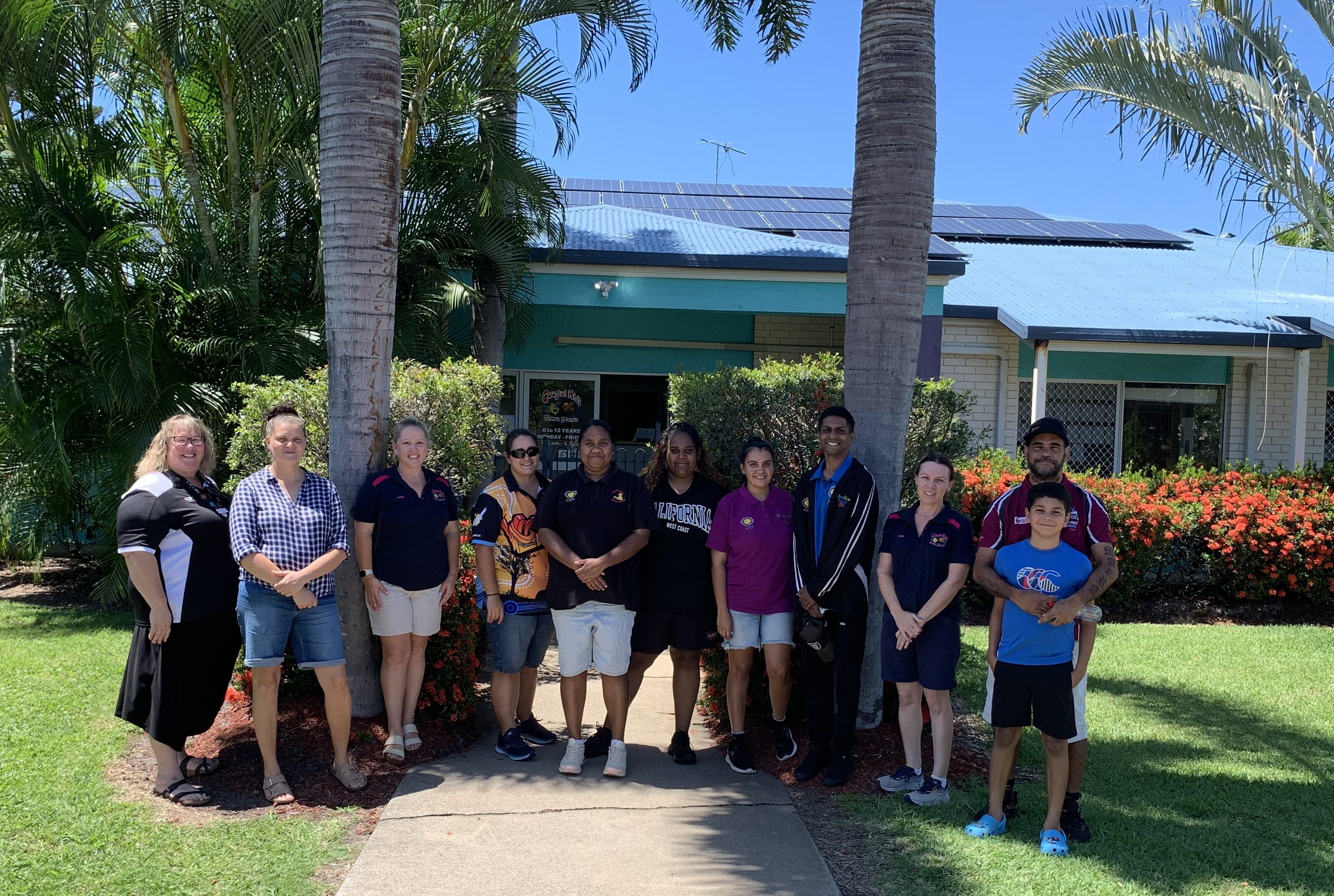
Undoonoo Childcare Centre is a CCCF-R funded service located in the Aboriginal Shire of Woorabinda, 173 kilometres west of Rockhampton. Recently, they participated in a professional learning opportunity to build educators capacity and capability. Facilitated by Inclusion Professionals (IPs) in collaboration with local Early Childhood Education and Care (ECEC) services, the initiative involved visiting four services in the Yeppoon region. This bus tour visit is part of an ongoing, annual collaboration between services in Central Queensland that supports educators through shared learning, peer networking, and reflective practice. The objective is to inspire educator’s inclusive practices through experiencing a variety of quality ECEC environments, pedagogical approaches, and community engagement strategies.
During the visit, educators from Undoonoo had the opportunity to observe and engage with a range of learning environments and practices that reflected diverse approaches to curriculum, cultural inclusion, and community partnerships. These firsthand experiences allowed the educators to reflect on their own practices, identify areas for growth, and gain practical ideas and strategies to implement in their own service. A key objective of this centre tour was to increase educator confidence and inclusive practices. By stepping outside their regular context, educators experienced ways to set up inclusive learning environments, incorporating diverse perspectives meaningfully, and engaging families and the broader community. These observations sparked valuable professional conversations and self-reflection, contributing to each educator’s individual learning journey and supporting the broader goals of the Undoonoo team.
The educators reported feeling highly inspired and motivated by the centre tour visit and feedback highlighted the value of seeing a variety of physical environments, opportunities for play and inclusive practices and strategies in action. The exposure to diverse pedagogical styles strengthened their understanding of the Early Years Learning Framework and supported them in aligning their own practices with best-practice standards in Early Childhood Education. The visit enhanced collaboration and relationship-building across services and all educators were open, welcoming, and generous in sharing their knowledge and resources. This initiative has encouraged all participants to stay in contact and continue sharing ideas, reinforcing a supportive professional network across the remote region. By engaging in collaborative learning, they developed greater confidence in their roles and a renewed commitment to continuous improvement.
Through reflection, observation, and collaboration, educators gained new skills, broadened their professional knowledge, and strengthened their connections within the ECEC community. This annual initiative continues to be an effective strategy for supporting professional growth, increasing inclusive practices, and long-term sustainability and connection of Early Childhood Education in regional and remote communities.
Read how Empowered Family Day Care worked collaboratively with Inclusion Support QLD to engage in critical reflection to support the inclusion of all children.
Read how Goodstart Little Mountain Mark Road West worked collaboratively with families, allied health professionals and Inclusion Support QLD to overcome barriers to inclusion and create a learning environment where all children can thrive.
Learn how the foundations of Redeemer Lutheran College's Outside School Hours Care program are relationships, consistency, predictability and play and how these ensure the inclusion of all children.